


Ever notice how your favorite pickleball shirt starts looking worn after just a few months? With over four million players hitting the courts regularly, you're not alone in wondering how to keep your gear looking and performing its best.
Your pickleball clothes face a true endurance test. Long matches under the sun, intense rallies that leave you drenched in sweat, and frequent trips through the washing machine all take their toll. Between the constant movement, moisture, and cleaning cycles, even high-quality athletic wear can start showing its age faster than you'd expect.
But here's the crucial insight: how you care for your pickleball apparel makes all the difference between gear that lasts six months and gear that keeps you comfortable for years. Whether you're dealing with lightweight cotton that loses its shape or investing in performance fabrics, the right care habits matter more than you know.
Your pickleball outfit affects everything, from how freely you move during quick volleys to the confidence you feel stepping onto the court. The wrong fabric or a piece that’s lost its shape can turn a great match into a frustrating experience. The good news? Small changes in your routine can literally double your gear's lifespan.
Key Takeaways
- Choose Fabrics Wisely: Prioritize synthetic fabrics like polyester and nylon with 15-20% spandex. They outperform cotton by offering superior moisture-wicking, durability, and shape retention for intense play.
- Master the Wash Cycle: Always use cold water and a gentle detergent. Turn clothes inside-out before washing and, most importantly, never use fabric softeners as they destroy performance features.
- Prioritize Air-Drying: Whenever possible, skip the dryer. Heat is the enemy of elasticity. If you must use a machine, choose the lowest heat setting to preserve your gear's fit and function.
- Store with Care: Always ensure your apparel is 100% dry before storing it in breathable containers or on hangers. This simple step prevents mildew and preserves the fabric's integrity.
- Act Fast on Stains & Odors: Treat stains immediately with cold water. For stubborn sweat odors, pre-soak garments in a vinegar solution to kill bacteria before they set in permanently.
Choose the Right Fabric from the Start
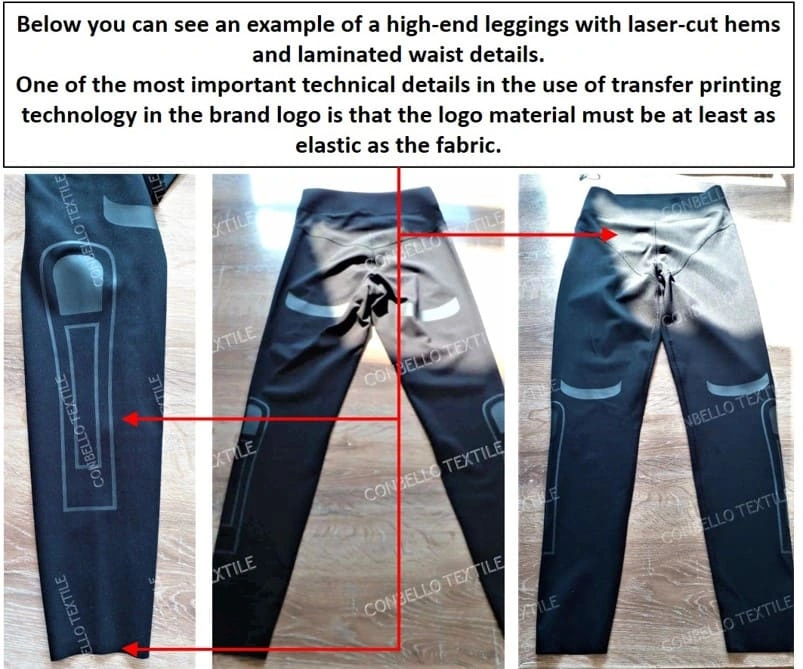
Image Source: Conbello Textile
Smart fabric choices set the foundation for pickleball apparel that actually lasts. What you pick initially makes all the difference between gear that holds up season after season and clothes that start falling apart after a few months of regular play.
Pickleball puts unique demands on clothing. Unlike your everyday casual wear, pickleball apparel needs to handle intense movement, frequent washing, and all the sweat and friction that comes with serious court time.
Why Polyester and Nylon Last Longer
When it comes to durability, synthetic fabrics are in a league of their own. Polyester and nylon have become the go-to choices for good reason.
Polyester shines when it comes to managing moisture. It pulls sweat away from your skin more efficiently than almost any other material, dries quickly, and stays breathable even during the most intense rallies. If you're someone who sweats heavily, polyester keeps you comfortable while maintaining its shape wash after wash. Plus, polyester resists fading, so your favorite pickleball shirt keeps its vibrant color.
Nylon takes durability to another level. The numbers tell the story: nylon achieves tenacity values of 800–1,200 MPa and abrasion resistance exceeding 50,000 Martindale cycles, significantly outperforming polyester. For your gear, this means nylon-based clothes handle more court friction and repeated stretching without showing wear.
Here's a quick comparison of these two performance fabric champions:
| Feature | Polyester | Nylon |
|---|---|---|
| Moisture-Wicking | Superior | Good |
| Durability (Abrasion) | Good | Superior |
| Feel Against Skin | Lighter Weight | Softer & Smoother |
| Cost | Lower | Higher |
Yes, nylon costs more, but its extended lifespan often makes it worth the investment. Many premium pickleball brands, including our curated pickleball apparel collection, blend both materials to capture the best of each.
Avoiding Cotton and Fragile Blends
Cotton might feel comfortable initially, but it's one of the worst choices for serious pickleball play. Cotton is hydrophilic, meaning it soaks up moisture and holds onto it. During an intense match, this is a recipe for disaster, leaving you with heavy, uncomfortable, sweat-soaked clothing that takes forever to dry.
Furthermore, cotton lacks the structural integrity of synthetics. It stretches out easily and shows wear much faster, especially in high-friction areas. Even cotton blends typically don't perform as well as fully synthetic options for demanding court play.
How Spandex Maintains Shape and Performance
The magic ingredient in high-performance pickleball clothing is Spandex (also called elastane or Lycra). This fiber transforms apparel into true performance gear through its incredible elasticity.
When blended with polyester or nylon, spandex allows clothing to stretch while consistently returning to its original shape. Nylon-spandex blends maintain an impressive 95-100% recovery even after 50 stretch cycles. This resilience means your pickleball shorts, skirts, and tops keep their intended fit and compression qualities throughout their lifespan.
For high-intensity play, look for garments with 15-20% spandex in 4-way stretch configurations. This ratio provides optimal flexibility while maintaining crucial structural support, enhancing your game by allowing a full range of motion.
Wash Smart to Prevent Wear
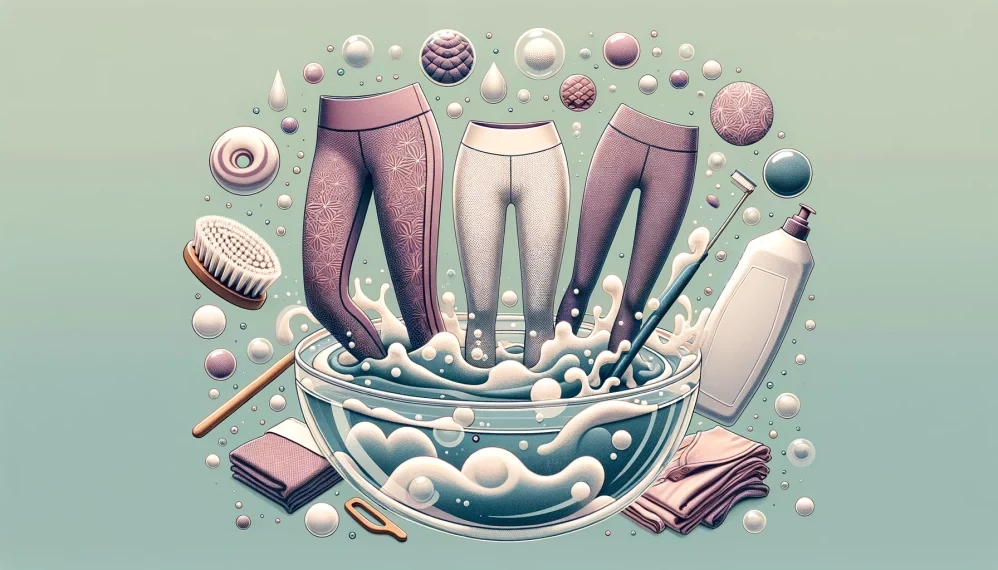
Image Source: Fabricare Center Cleaners
You've invested in quality pickleball gear, but how you wash it determines whether it lasts six months or several years. Even the best performance fabrics can break down quickly if you're not washing them correctly.
Use Cold Water and Gentle Detergent
Hot water might feel like it cleans better, but it's one of the worst things for your pickleball clothes. High temperatures damage the delicate elastic fibers that give your gear its stretch and shape. In my experience, cold water is non-negotiable; it preserves these synthetic materials and keeps your court outfits performing their best.
Beyond saving energy, washing in cold water offers several key benefits:
- Prevents wrinkles from forming in synthetic fabrics.
- Significantly reduces color fading.
- Maintains the structural integrity of elastic fibers.
When it comes to detergent, stick with liquid formulas designed for athletic wear. These contain special enzymes that target body oils and sweat while maintaining the fabric's stretch. Regular detergents can leave behind residue that traps odors, making your gear smell even after washing.
Myth vs. Reality
Myth: Hot water is necessary to kill bacteria and deep-clean sweaty athletic wear.
Reality: This is a damaging misconception for performance fabrics. As a player who has seen great gear ruined, I can tell you that hot water is the enemy. It degrades synthetic fibers like spandex, causing them to lose their elasticity and shape permanently. Modern detergents are formulated with enzymes that effectively break down sweat and bacteria in cold water. Heat, in fact, can "bake" odors into synthetic materials, making them harder to remove over time. Stick to cold water to preserve both cleanliness and the structural integrity of your investment.
Turn Clothes Inside Out
This simple step makes a huge difference. The inside of your clothes—the part that touches your skin—collects the most sweat, oils, and bacteria. Turning items inside out gives your detergent direct access to these problem areas for a more effective clean.
This technique also protects the outer surface from friction in the washing machine, which helps preserve colors, logos, and special design details from the agitation of the wash cycle.
The Golden Rule: Avoid Fabric Softeners
If you remember only one tip, let it be this: never use fabric softener on your pickleball apparel. This is the most critical piece of advice for athletic wear care.
Fabric softener creates a waxy coating on synthetic fibers. While it might feel smooth initially, this residue destroys everything that makes athletic wear functional. It systematically:
- Blocks breathability needed during intense matches.
- Destroys moisture-wicking properties, causing fabric to hold sweat.
- Reduces the flexibility and strength of elastic fibers.
- Traps odors instead of allowing them to wash out.
Performance fabrics are engineered textiles. Fabric softeners coat these technical fibers and prevent them from working as designed. Your expensive moisture-wicking shirt will stop performing if you use softener on it.
Drying Techniques That Preserve Performance
You've done everything right in the wash cycle. But how you dry your pickleball gear matters just as much. Throwing your freshly washed shorts and tops into a hot dryer can undo all that careful work in minutes.
Why Air Drying is Best
Air drying is, without a doubt, the gentlest and most effective way to extend your apparel's life. While a machine dryer subjects your gear to high heat and constant tumbling, air drying allows clothes to return to their natural shape without any stress.
The benefits are clear:
- Your spandex and stretch fibers stay elastic longer.
- Colors remain vibrant instead of fading.
- Moisture-wicking properties are preserved.
- You avoid static cling completely.
You can hang items on a drying rack or lay them flat on a clean towel. For sports bras or items with significant stretch, laying them flat is ideal to prevent misshaping. A bonus tip: drying outside in the sun can naturally help kill bacteria.
Using Low Heat Settings for Machine Drying
Sometimes air drying isn’t practical. When you absolutely must use a dryer, using it correctly is key.
Low heat settings (around 125°F or 50°C) are specifically designed for performance fabrics containing spandex and lycra. This gentler temperature protects your gear from the fraying, fading, and stretching that high heat causes.
To minimize damage when in a rush:
- Choose the "Gentle" or "Delicate" cycle.
- Pull items out while still slightly damp (5-15 minutes is often enough).
- Always check the care labels first.
- Try the "Air Fluff" or "No Heat" setting for extra delicate pieces.
Remember, even low heat puts mechanical stress on your clothes. Reserve machine drying for when you truly need it.
How to Prevent Shrinkage and Stiffness
Nothing is more frustrating than pulling a favorite top from the dryer only to find it has shrunk. High heat is the usual culprit. To keep your gear the right size, dry clothes indoors away from direct, intense sunlight, as excessive heat can cause fabric to shrink.
If your air-dried clothes feel stiff, try these simple tricks:
- Shake items out gently after washing and before hanging.
- Dry outside on a breezy day; the movement naturally softens fabric.
- Give stiff items a quick 5-minute tumble on a no-heat setting.
Once shrinkage happens, there's usually no going back. These simple drying habits will save your favorite pieces.
Store Your Gear the Right Way
Here's something many players miss: how you store your pickleball clothes between matches matters just as much as how you wash them. Cramming damp gear into overcrowded drawers can undo all your careful maintenance.
Let Clothes Dry Fully Before Storing
This might seem obvious, but any lingering moisture is a breeding ground for mold, mildew, and stubborn odors. Even gear that feels dry can harbor moisture in thicker areas like waistbands or hems. Always give your apparel extra time to air out before putting it away.
And what about post-match sweaty clothes? Never ball them up in your bag. Hang them somewhere with airflow until you can wash them properly to prevent permanent odors from setting in.
Use Breathable Bags or Hangers
The right storage containers keep your pickleball attire in great shape. Breathable fabric bags or mesh bins allow for air circulation, unlike plastic containers which trap moisture.
For hanging items, use padded or plastic hangers instead of wire ones to avoid creating permanent shoulder bumps. For folded items, consider using drawer dividers to keep things organized and prevent overcrowding.
Avoid Overstuffed Drawers
Cramming clothing into packed drawers is one of the fastest ways to create wrinkles and stretch out fabrics. This constant pressure breaks down elastic fibers more quickly than you'd think.
Give your apparel room to breathe. The KonMari folding method, where clothes stand on edge, works wonderfully for athletic wear, allowing you to see everything at once without digging. If space is tight, adopt a "one in, one out" policy to prevent overcrowding.
Handle Stains and Odors Early
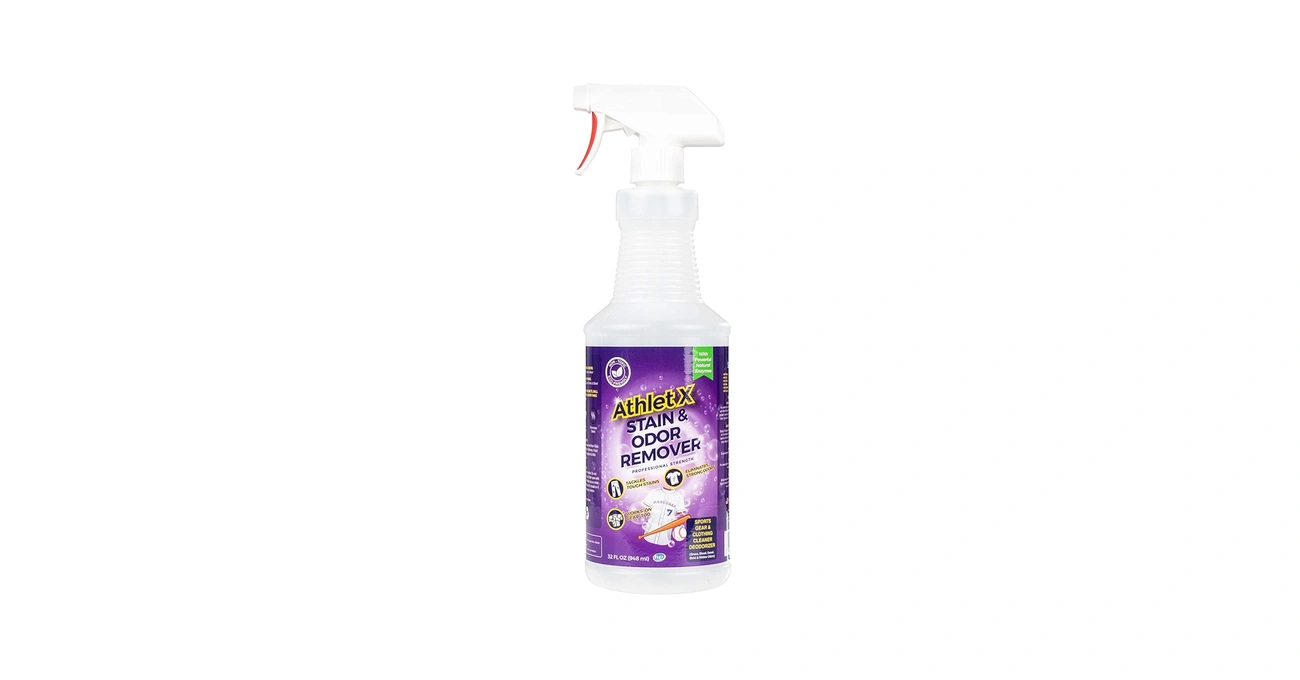
Image Source: Amazon.com
When it comes to stains and odors, time is everything. The longer you wait, the harder they become to remove. What starts as a simple sweat stain can become a permanent mark.
Quick Stain Treatment Steps
If you catch a stain on your outfit, act fast:
- Blot, don't rub, the area with a clean cloth to absorb any excess.
- Rinse the spot with cold water from the back side of the fabric to push the stain out.
- Apply a small amount of mild detergent directly to the stain and let it sit for 10-15 minutes.
- Wash as usual according to the care instructions.
For stubborn stains on pickleball skirts or shorts, a paste of baking soda and water can work wonders. For oil-based stains, a solution of equal parts white vinegar and water often succeeds where regular detergents fail.
Dealing with Sweat Buildup and Odors
Performance fabrics wick moisture away, creating an ideal environment for bacteria to thrive. These bacteria feed on sweat and oils, producing stubborn odors.
You can prevent this buildup by hanging sweaty clothes to dry immediately after play. For a deeper clean, an antimicrobial pre-soak can work wonders. Simply soak your gear in a solution of one part distilled white vinegar to three parts water for about 30 minutes to kill odor-causing bacteria before washing.
When to Rewash or Soak
How do you know when your gear needs extra attention? First, do a smell test after washing. If odors are still present, bacteria are still thriving. Second, look for visible residue or discoloration, particularly under the arms.
For these situations, pre-soaking is your best friend. A 30-minute cold water soak with an enzyme-based detergent can break down tough stains. Remember: it's always better to rewash an item than to put it in the dryer while it's still smelly. Heat will permanently set both stains and odors into the fabric.
Tired of choosing between performance and style? Discover our player-curated collection.
Explore All Curated ApparelBuild Habits That Extend Apparel Life
Great gear care comes down to simple, repeatable habits. Once these practices become routine, you'll extend the life of your pickleball wardrobe without even thinking about it.
Rotate Your Outfits to Reduce Wear
We all have that one favorite shirt. But reaching for it every time you play is the fastest way to wear it out. By rotating between multiple outfits, you give each piece time to rest and recover its shape between uses. This simple habit distributes wear and tear evenly, significantly extending the lifespan of your entire collection.
Check Care Labels Regularly
Those tiny tags sewn into your clothes are your gear's personal instruction manuals. They contain specific information about the garment's unique fabric and construction. I always recommend checking these labels before washing. Following their guidance is the surest way to keep your apparel performing its best.
Keep a Backup Set Ready
In my experience, one of the smartest things a player can do is maintain at least three sets of clean pickleball apparel. This ensures you always have a fresh, dry, and high-performing option ready to go. It prevents the temptation to wear gear that isn't fully dry or properly cleaned, a common mistake that accelerates breakdown.
Conclusion: An Investment in Your Game
Your pickleball gear works hard for you, and now you know exactly how to return the favor. These care practices aren't complicated, but they make a tangible difference in how long your favorite pieces last and how well they perform on the court.
You now have the knowledge to choose the right fabrics, master the wash cycle, and store everything properly. More importantly, you understand that small habits—like rotating outfits and acting fast on odors—add up to significant savings and better on-court experiences over time.
Ultimately, quality gear is an investment in your comfort, confidence, and focus. When your clothes fit perfectly and function as designed, you can dedicate all your energy to the game. Put these tips into action with your next wash—your future self will thank you when your favorite outfit is still going strong seasons from now.
Frequently Asked Questions
Q1: What type of fabric is best for pickleball apparel?
Synthetic fabrics like polyester and nylon blended with 15-20% spandex are ideal for high-performance pickleball apparel. These materials offer superior moisture-wicking properties, exceptional durability, and the ability to maintain their shape far better than natural fibers like cotton, which absorbs sweat and becomes heavy.
Q2: How should I wash my pickleball clothing to make it last?
For best results, always wash your pickleball apparel in cold water with a gentle, liquid detergent designed for athletic wear. Turn your garments inside out to allow the detergent to target sweat and oils directly. Crucially, you must avoid fabric softeners, as they create a coating that clogs the fabric's pores, destroying its moisture-wicking and breathable properties.
Q3: What is the absolute best way to dry pickleball gear?
Air drying is unequivocally the best method to preserve the integrity and lifespan of your pickleball clothing. It protects the delicate elastic fibers (like spandex) from heat damage. If you must use a machine, select the lowest heat or 'air fluff' setting and remove items while they are still slightly damp to prevent shrinkage and fabric degradation.
Q4: How can I get stubborn sweat smells out of my pickleball clothes?
First, never let sweaty clothes sit in a closed bag. Hang them to air out immediately. For persistent odors that survive a wash, pre-soak the garments for 30-60 minutes in a solution of one part distilled white vinegar and three parts cold water. This will help kill the odor-causing bacteria before you run them through a normal wash cycle.
Q5: Is it okay to use fabric softener on my Volaea apparel?
No, you should never use fabric softener or dryer sheets on Volaea apparel or any high-performance athletic wear. These products leave a waxy residue that clogs the fabric's micro-pores, which destroys its moisture-wicking and breathability capabilities. This not only traps odors but also shortens the functional life of the garment.
Q6: How many sets of pickleball apparel should I ideally own?
From my experience as a dedicated player, having at least three complete sets of pickleball apparel is ideal. This allows you to properly rotate your outfits, giving each piece adequate time to be washed and dried correctly without rushing the process. It's the best way to reduce wear and tear on any single item and ensures you always have a fresh, high-performing outfit ready for the court.


